
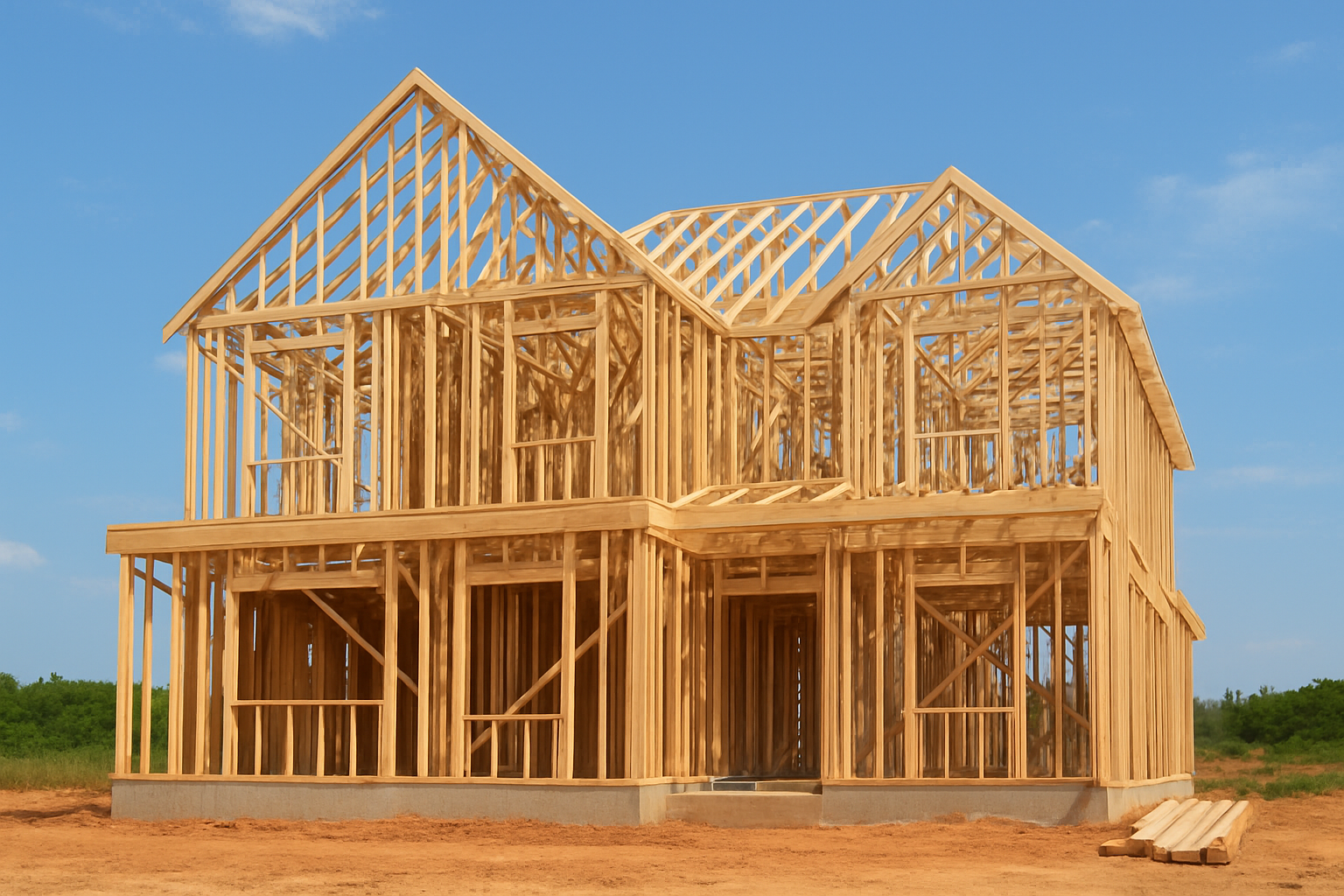
New Builds.
Learn about the different types of new build options and discover why a home built just for you, may be the right option.
Is a new construction home the right choice for you?
Purchasing a new build comes with many advantages for prospective buyers but the process for securing one can be dramatically different from purchasing an existing home. This page will help you understand the pros and cons of the product and the process.
Noteworthy:
It is important to know that Tyler Robb does NOT represent any one specific builder, and this is by choice. Often times when a Realtor chooses to represent a specific builder they can no longer sell another builders product. I have chosen to maintain my client first focus and am able to consider the builder that is right for my clients.
What you’ll learn:
This page is intended to educate you in layman’s terms on how the process of buying a new construction home works. It will cover:
Types of new builds
Choosing your builder
My three categories of builders
New construction financing & GST
Offering on a new build/builder contracts
Warranty
Post sale maintenance & potential issues
Types of New Builds
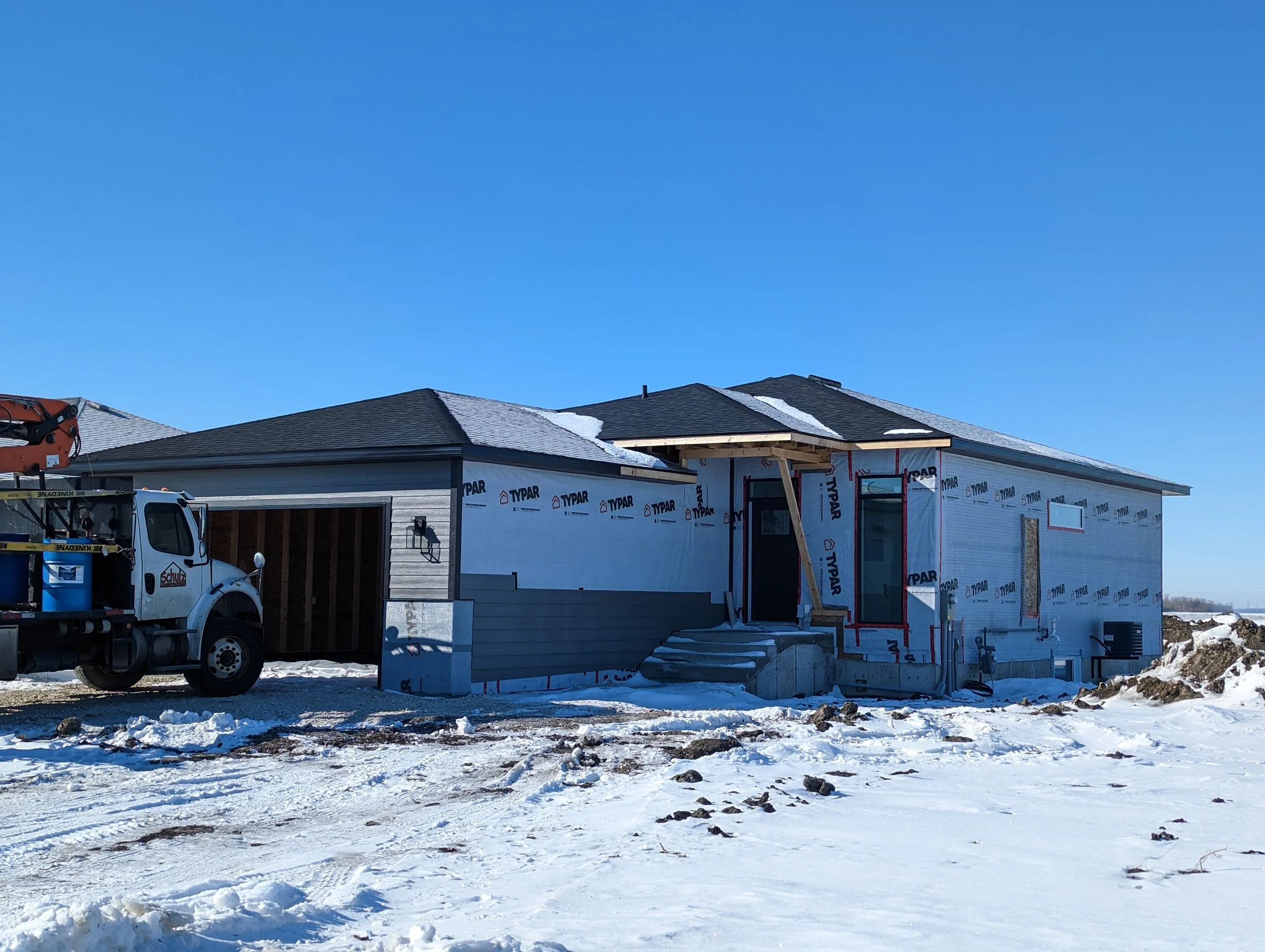
Spec. Home
-
Simply put, a spec home is a new construction home that the builder has designed and is constructing with or without a buyer in place to purchase it. Show homes can be considered spec homes, as they have been built to the builders “spec.” (specifications).
-
The benefits of a spec home are that they are built on a layout that the builder is familiar with and has built before. Costs are more controlled and thus makes them more affordable than a custom built home. Also, you can purchase a spec home at any point during its construction as everything about the build has already been decided. In some cases you can have a say in final finishings like paint color, exterior finishes etc. but this is all dependent on when you come into the build process. Some spec homes are sold before the foundation is poured, while others sit fully finished before selling.
-
The cons of considering a spec home would be the obvious fact that you don’t get to choose how the home is designed or finished as everything has already been decided. Another thing to consider when looking at a spec. is that you can’t always see the construction behind the walls (depending when you come into the transaction). Consider a thorough inspection.
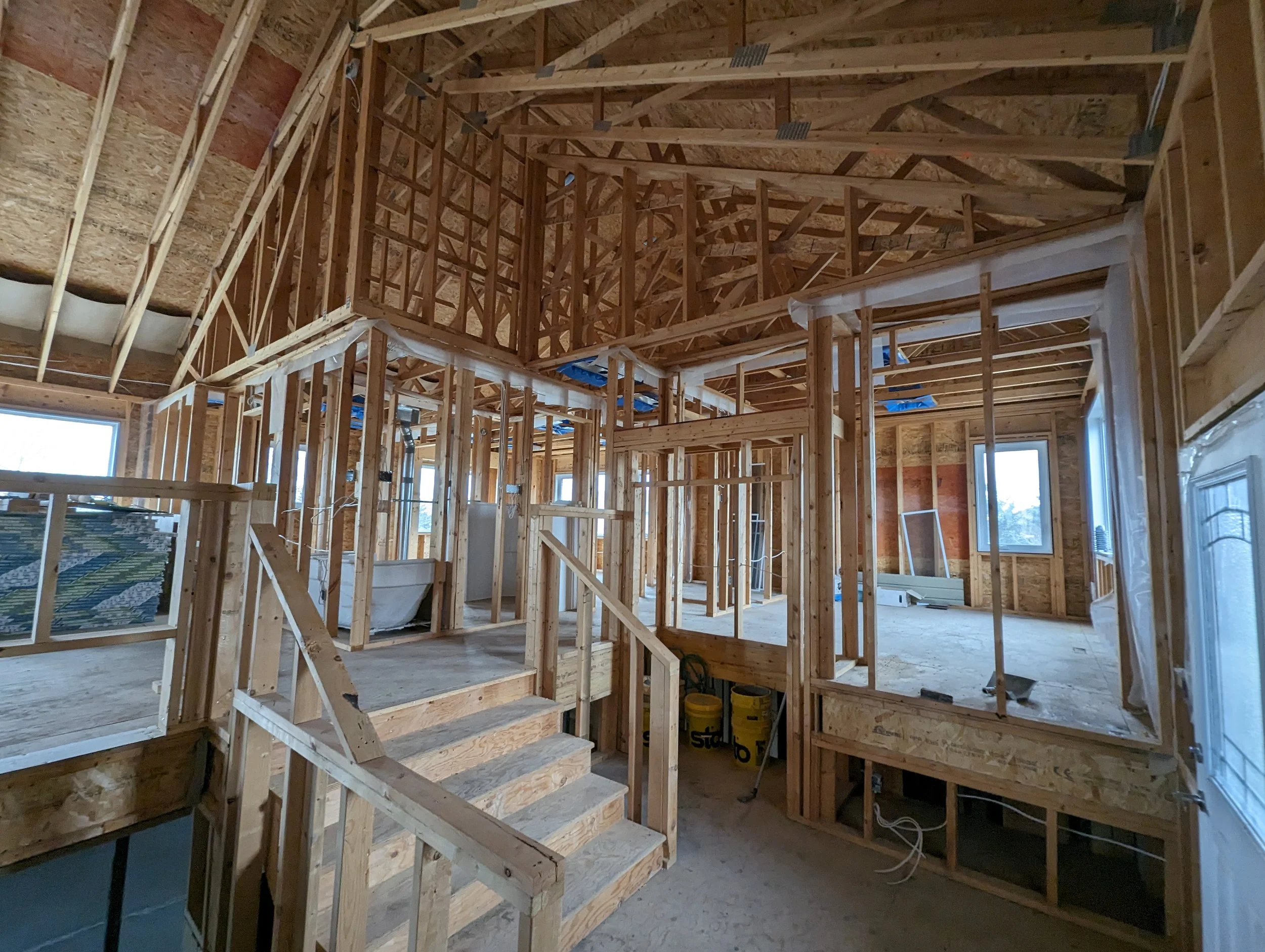
Custom Home
-
A custom home is exactly what it sounds like, a home built custom to your requests. Building a true custom home is rare, most new builds that are not spec homes tend to be a custom/spec hybrid where the client chooses an existing floorplan the builder has already approved and the client modifies it to their taste. The final product is a home that the builder is familiar with but has all the desires the client wants.
-
The benefits of going with a true custom or custom/hybrid home is that your finished product will be more unique and you can add the things you personally want. Your home will look and feel more unique. Everything from the curb appeal to the layout will be as you wanted it making your home one of a kind.
-
The cons of building this way are: Much higher costs, longer timelines, more challenging finance stipulations and a potential to make future resale more difficult. If your home is too unique it won’t appeal to as many people. You want to walk the fine line of making it how you want it but not so much that other people wouldn’t be able to see it as theirs if you ever had to sell.
Choosing Your Builder
This is THE MOST CRUTIAL PART OF THE PROCESS. Selecting who is going to construct your home is incredibly important. Too often buyers will walk through a show home and see the final product all dressed up in staging and get lost in the beautiful finishings and make their decision hastily. They often don’t consider what the construction behind the walls looks like, how long the builder has been in business and what their track record is like.
Manitoba has seen a massive increase in the number of new builders in the market over the past 5 years and it is now more important than ever to ensure you are partnering with a builder who can deliver a sound product.
When I work with clients looking at new construction homes it is almost mandatory that we be able to see homes from the builder at 3 different phases of construction*. Foundation/framing, drywall and finished. By looking at homes in these phases we can see the different parts of construction and identify the quality of the builder making it easier for my clients to make a sound decision.
*Doing this is not always possible. Sometimes builders don’t have other homes for us to walk through so we need to use other methods and criteria to determine overall quality.
In my experience, I have determined that there are three types of builders to choose from. There is the “Budget/Entry Level” builder, The “Solid Value” builder & of course, the “Custom/Luxury Home” builder. Each one has their advantages and challenges and sometimes one builder may have a boot in 2 of the 3 categories but I’ve aways been able identify a builder with one of these groups.
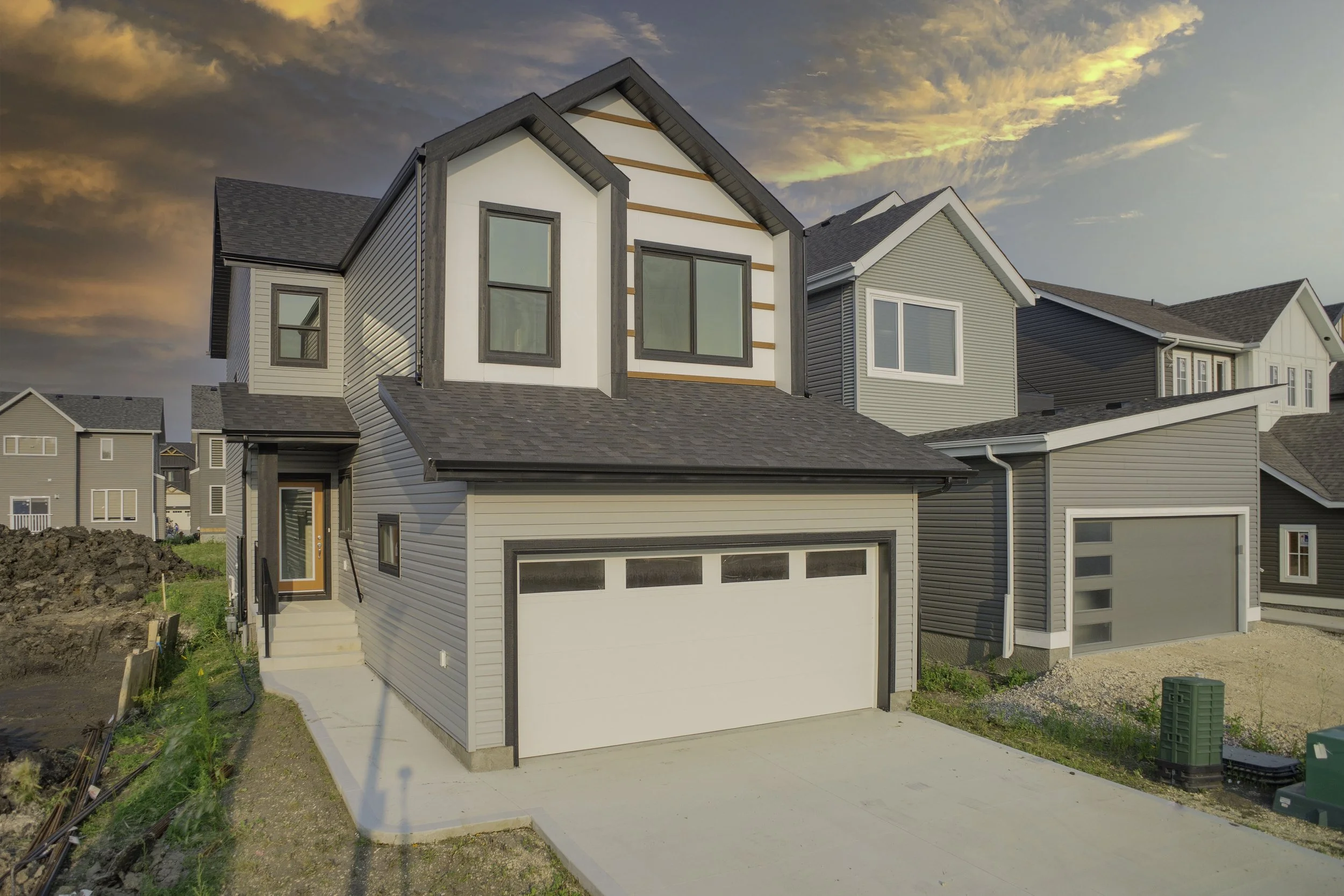
Basic/Entry Level Builder
-
Can be more affordable
New home with a warranty
Home will be in newer development
Likely no major maintenance costs for several years
Equity potential with future upgrades
-
Poor craftsmanship (potentially)
Budget/low grade finishes
Basic designs
Less desirable lot locations
Future resale challenges (potentially)
Inexperienced trades completing the work
Higher chance of needing warranty work/repairs/re-finishing work done
Tend to prioritize speed over quality
-
Basic/Entry level builders are great if you have a limited budget and really want a new home, but you should really ensure you can see a history of their work, walk through other builds at various stages of completion, and have a 3rd party examine their work if you are not experienced in building homes.
Entry level builders will often advertise a more affordable product, but beware, this often means the lot choices are less desirable, the materials are cheaper and the trades hired to do the work are often beginners, or those who will do the job for less. Typically this results in a sub par product that looks great on possession (not always) but doesn’t hold up over time.
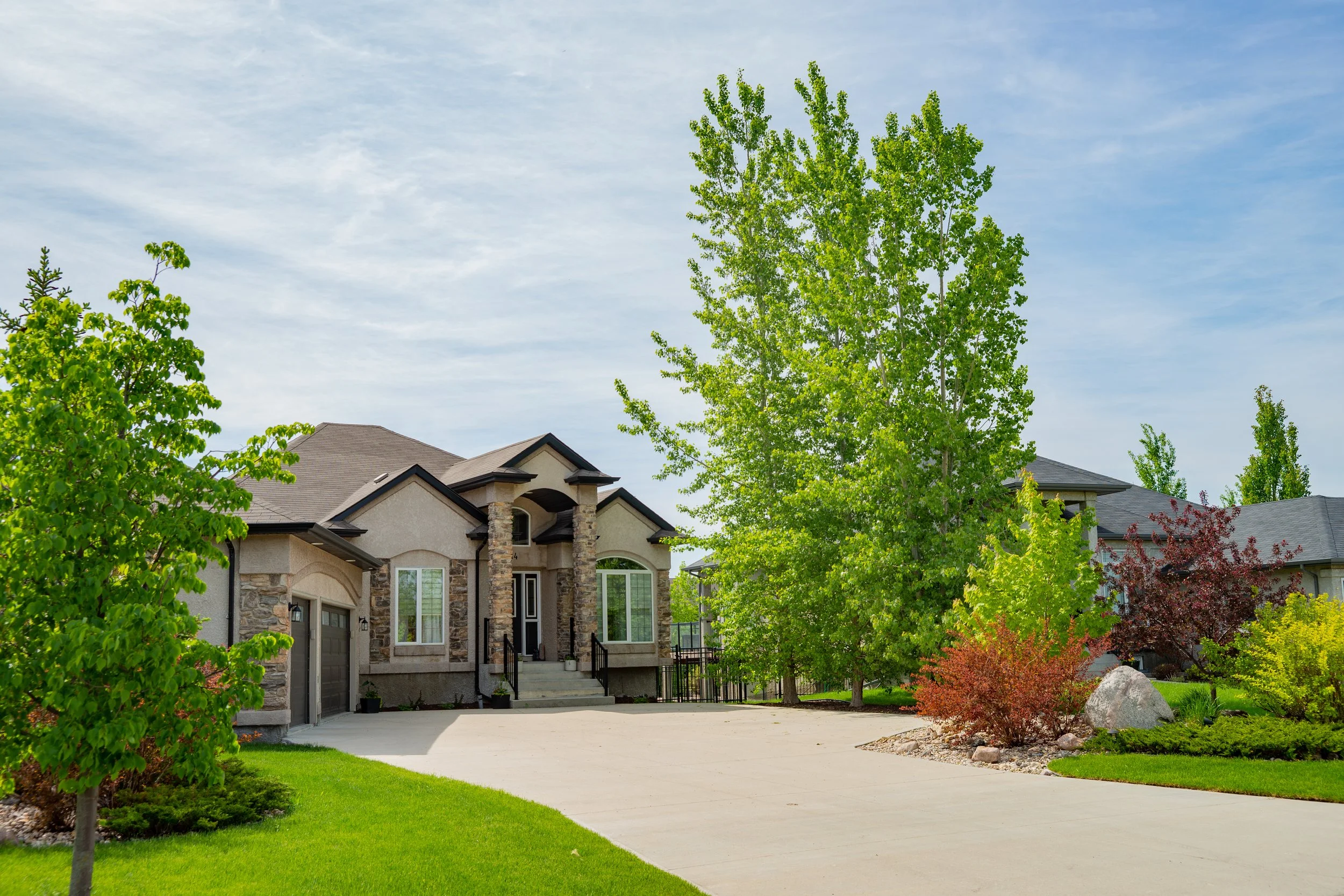
Solid Value Builder
-
Strong reputation & peace of mind
Balanced pricing
Quality materials and craftsmanship
Future resale value with equity potential
Better lot choices
More opportunity for customizations
Better trades and subcontractors
Tend to prioritize quality over speed
-
Higher cost than an entry level builder
Designs can still be standard or “cookie cutter”
Upgrades can add up - Better materials and trades cost more.
Resale competition
Not luxury finishes. Better than most, not the best.
-
This is where most new build clients end up. A new home built by a builder in this category will be solid throughout, have excellent craftsmanship and will hold up over time. You will sleep soundly knowing your home was constructed with quality materials by a crew who knew what they were doing.
This product will be more expensive than some of the other options, but is typically worth it. One thing to remember is when you decide to add upgrades to the build, they will cost more as this builder will use better materials and more experienced tradespeople.
In the end this builder is often your best bang for your buck delivering a well built home back by a warranty, great building materials and a track record that gives you confidence.
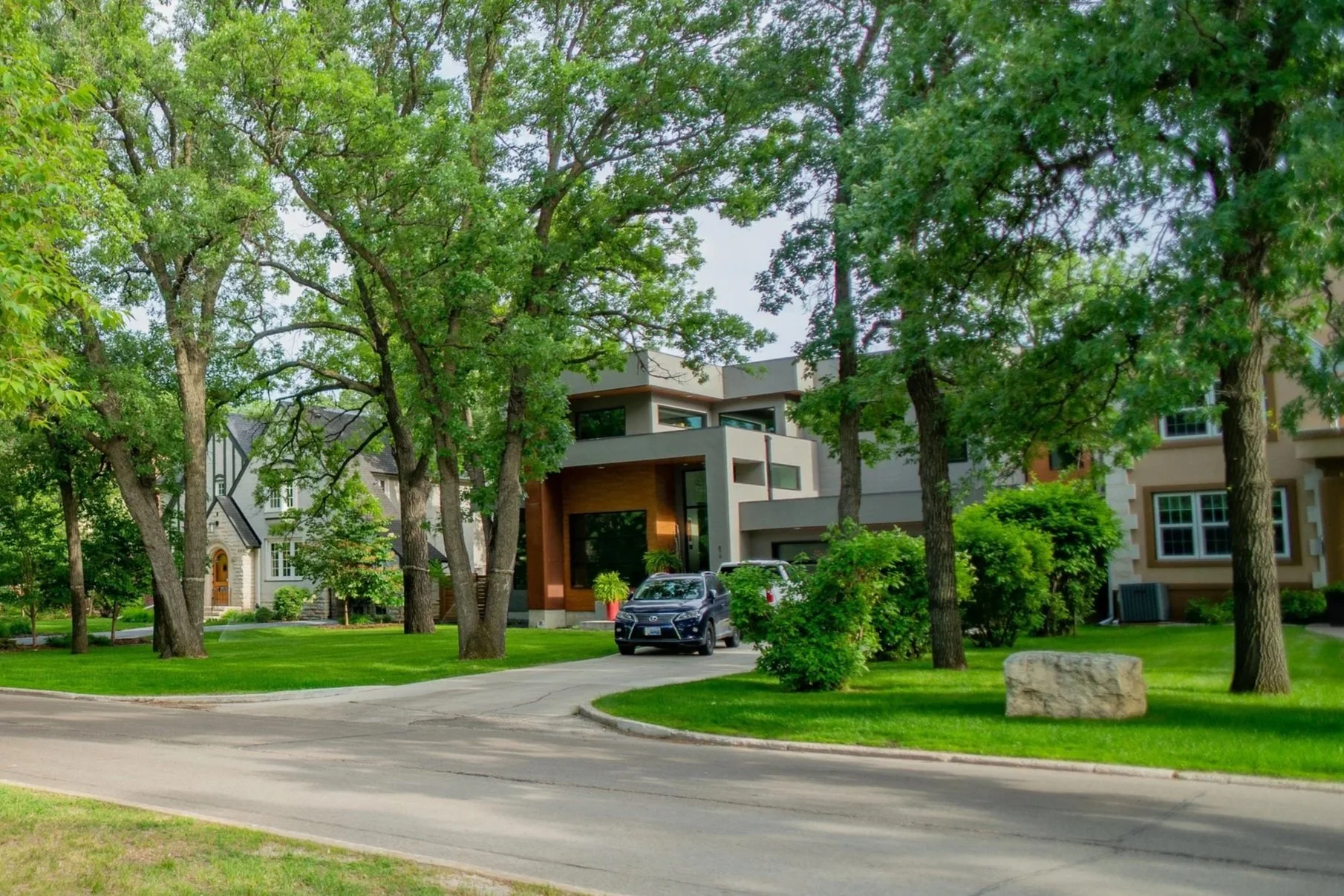
Custom/Luxury Home Builder
-
Superior craftsmanship & materials
Unique architectural design
State-of-the-art features and finishes
Long-term value
Prime locations
Durability, efficiency, and longevity
Personalized building experience
Full customization
-
High cost
Longer build times
Higher on-going costs
Decision overload
Market risks
Complexity & stress
-
The ability to design and build a true custom or luxury home is a dream of many and a reality of very few, but for those that get to do it, the final product can definitely be worth the waiting, the investment and the hassle. While the end product is magnificent, the journey to get here is a long one and can be quite challenging.
Good things take time, so luxury/custom homes take much longer to build than regular homes. When you are the one designing it (you will work with a designer) you have to make a lot of decisions, many more than people realize and it can become a lot to handle. Having a good team to help is key.
As teh build is underway you will be paying for your current place to live and the build mortgage as it progresses (see below: Draw Mortgage) so the on going costs can add up.Market risks: Not everyone likes the same things that you do, in the event that you have to sell this home one day, it may not appeal to many people and it could be difficult to sell. Also, depending on its level of luxury, the amount of in market that can afford it and actually like it will be minimal.
Custom/luxury builds are complex and they require a lot of different teams (specialized trades, designers, architects etc.) . If not properly managed the project can become very overwhelming and stressful. Choosing a custom/luxury builder with the right team in place can ensure that the build goes as smoothly as possible.
Financing for New Builds
Financing for new builds can be difficult to wrap your head around, especially if you’ve already invested time into purchasing an existing home and are now looking at a new build. Financially, things can be very different.
Check out the boxes below to learn about the different types of mortgages and minimum financing options.
-
The type of new build you are going to purchase matters. For example, if you are going to purchase a Spec. home that is 90% complete, the process is much the same as purchasing an existing home as everything is basically already done.
If you are planning to build a custom home things are different. The cost of the lot, the timeline and the amount of risk for your lender come into play and your minimum requirements increase.
-
Spec Homes: In Manitoba, you can purchase a spec home with as little as 5% down. This mortgage would need to be insured through CMHC and additional fees apply.
For example: The home is purchased for $499,900 - your minimum down payment would be $24,995.
This type of purchase can be done with a conventional/completion mortgage - See below for more details.Custom Homes: The minimum down payment can fluctuate with a custom build, but you will need at least 20% of your entire project cost for your down payment. Example: The lot is $175,000 and the builder says the home will cost $650,000 to construct. Your total project cost is $800,000. Your minimum down payment would be $160,000.
From there your lender would need to set up a “draw mortgage” - see below for details. -
Deposits are often the most misunderstood part of a real estate transaction.
A deposit is an upfront amount of cash that you as the buyer offer to the seller/builder as a commitment to the deal. it shows them that you are committed to closing on the purchase.When purchasing an existing home or a spec. home, you as the buyer can choose the deposit. $10,000-$50,000 is a typical range. These funds are due when you write your offer and are held in trust until closing. If you back out of the deal for no reason, you will forfeit your deposit.
With custom homes the builder will often have a set deposit amount required before they commit to ordering materials, hiring trades and booking services. This deposit is typically much larger and can be anywhere from $75,000-$100,000 or more. Depending on the build it can also be a percentage of the project cost.
Your deposit in both scenarios makes up a part of your total down payment. For example, if your down payment is $160,000 and you give a $75,000 deposit, you will only be required to bring an additional $85,000 to the closing table.
-
Completion mortgages are essically the same as conventional mortgages. When you make your offer, you provide a depsoit that makes up a part of your overall down payment.
From there no other funds are due until closing which takes place right before possession. Here you will provide the remaining amount due for your down payment which will be minimum 5% of your purchase price. The lender will then send mortgage instructions to your lawyer will disperse the funds accordingly.This is the same process as purchasing a normal existing home.
When it comes to new builds, most Spec. Homes will work this way. It is rare for a builder to complete a custom or a hybrid/custom build with a completion mortgage.
-
A draw mortgage, sometimes called a builders mortgage will be set up for custom or hybrid/custom homes.
The beginning process is the same as a conventional mortgage, you supply a deposit with your offer, and then at closing which takes place right before possession you supply the remaining balance of your down payment. Now, this is when things begin to differ.
At possession, there is no home to take possession of, typically its a vacant lot. Your mortgage will be set up to allow your builder to take a certain number of “draws” once they reach a threshold of completion. For example, once the foundation and structure is complete they can “draw” $100,000, once framing and drywall is complete they can take another $250,000 and so on until the home is complete.
The bank will send an appraiser out to ensure that the thresholds are actually being met and that proper inspections are being done.While this is happening, you will be paying a monthly mortgage payment on the total amount that has been drawn. As the build progresses your mortgage payment will increase. This is something that needs to be considered as this payment, plus your current living arrangement, plus your large deposit and down payment can add up to substantial costs. Ensuring you have the capital for a large custom build is important before committing to the project.
-
In Manitoba GST is applicable on all new construction homes. This can add a significant and unexpected cost. However, it has become common practice for the list price of spec. homes to account for GST. If rebates are available for GST, the majority of the time it is required for these rebates to be assigned back to the builder.
If you are building a custom home, ensure that GST is accounted for in any quotes you receive from a builder.
GST does not typically apply to vacant land or build lots. In your build the GST will only be charged on the build portion and not the entire project.Spec Home:
Total Price: $529,900
GST: +$26,495Custom Home:
Lot Price: $150,000
Build Cost: $650,000
Total project: $800,000
GST: $32,500 (based on $650,000 build cost)This information is provided as a courtesy and does not apply to all situations. Always contact an accountant for concise information on tax implications and requirements.
Warranty
In Manitoba, there are two types of warranties offered by the vast majority of builders. Your new home will be covered by either the National New Home Warranty Program or the Manitoba New Home Warranty Program. The differences between the two are listed out below.
DID YOU KNOW?: If you come across a new home builder who is not registered with a 3rd party warranty provider and your mortgage requires CMHC insurance, in other words, you have less than 20% down, your finance application likely won’t be approved. Ensure your builder is affiliated with a reputable 3rd party warranty provider. Even if you have 20% down, there is still a chance the bank will decline your file if your builder does not warranty their work.

Manitoba New Home Warranty Program
-
The Manitoba new Home Warranty Program is a not-for-profit program run locally by the New Home Warranty Program of Manitoba Inc.
Builders become “Builder Members” and the warranty is administered locally, with local committees.The Manitoba government has passed mandatory warranty legislation (New Home Warranty Act) effective since Jan 1, 2018. Under that, new homes in Manitoba must have a 7-year warranty, up to $100,000.
The Manitoba New Home Warranty Builder Program is voluntary in terms of builder membership, but the Act mandates warranty coverage via a 3rd party provider. -
Duration:
There are two warranty “tiers” under the MB Program:
- Standard 1 and 5 (1 year workmanship/materials; 5 years major structural defects).
- Upgraded 1, 2, 7 (adds a 2-year defects period for certain systems, and 7 years major structural) for some builders.
Monetary Limits:
Under the MB Program there is a maximum of $50,000 coverage per residential unit for standard types. The upgraded 1-2-7 option has higher maximums (up to $100,000) for major structural, etc.Coverage:
Year 1 covers workmanship & materials;
Year 2 (in upgraded option) covers systems, building envelope, water penetration, etc.;
Years 5-7 Major structural defects depending on warranty type.

National New Home Warranty Program
-
What should we know about the services you provide? Better descriptions result in more sales.
-
What should we know about the services you provide? Better descriptions result in more sales.